If you’re feeling the heat this week, a DIY sprinkler is a fun way to cool down. All you need is a plastic bottle and some water. This fun backyard science activity is a fantastic demonstration of gravity and air pressure. How can tightening the lid of a bottle stop water from flowing out of … Continue reading “Easy DIY Water Sprinkler”
Do you know that adding carbon dioxide to water makes it more acidic? We used red cabbage indicator to test the pH of tap water and carbonated water from a Sodastream. The tap water was slightly alkaline, and the fizzy water was acidic! This is another great way to demonstrate the effect of carbon dioxide … Continue reading “The Secret Chemistry of Carbonated Water”
Fish live in water, but do they feel thirsty, and how do they drink water safely if they live in the sea? Of course, we don’t know what a fish actually feels, but they do need water to stay alive. Fish take on water either by drinking or absorbing water through the skin and gills … Continue reading “Do fish feel thirsty?”
The ocean covers about 71% of the Earth’s surface and holds about 97% of our planet’s total water. Despite the vastness of our oceans, they are being massively impacted by human activity. Microplastics have been found at the bottom of the Mariana Trench, fish populations are declining due to overfishing, and the oceans are warming … Continue reading “Ocean Acidification Investigation”
A food chain is a diagram that shows how energy is transferred from one living thing to another. Energy is transferred from the sun to plants, which use the light to produce energy through a process called photosynthesis. An animal then eats the plant for food, is eaten by another animal, and so on until you reach … Continue reading “How Pollution Climbs the Food Chain”
The UK is getting ready for a mini heatwave, so today I’m sharing some fun, cooling summer science experiments that are great for kids of all ages on a sunny day! Sometimes, science experiments outside feel so much easier than making a mess inside. They are a great way to keep kids entertained during school … Continue reading “Summer Science for Hot Days”
The Bundibugyo virus is one of six known strains of Ebola. It was discovered in 2007 when an outbreak of hemorrhagic fever occurred in the Bundibugyo area of Western Uganda. When people think of Ebola, they usually think of the Zaire strain, which is the deadliest known version and has a mortality rate of up … Continue reading “What is the Bundibugyo Virus?”
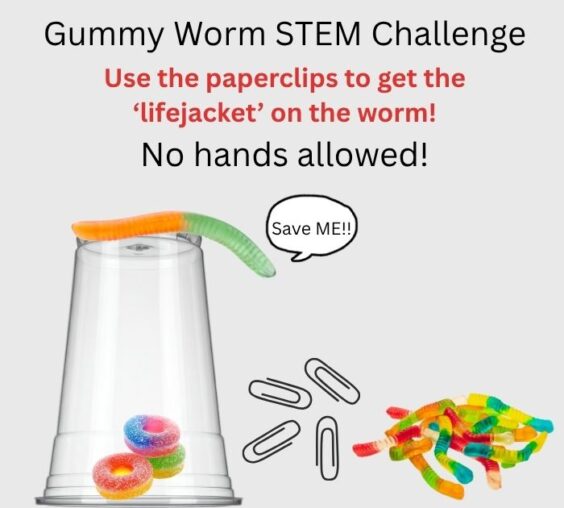
At what temperature are Fahrenheit and Celsius equal? When checking what to pack for a holiday, you need to know whether the temperature is in Celsius or Fahrenheit. 40°F is winter coat weather, but 40 °C is a very hot day! Celsius and Fahrenheit are both temperature scales, it’s a bit like measuring the same … Continue reading “Fahrenheit, Celsius and a STEM Challenge”
Dandelions are so much more than an annoying weed. They can track the sun, turn into the puffballs we love to blow around, and survive year after year, all while providing a food source for pollinating insects. They are perfect for a spring science challenge as they are free and easily accessible. My five dandelion … Continue reading “Dandelion Science Experiments”
Have you ever wondered why the skin on your fingers and toes shrivels up in the bath when other body parts stay the same? In the past, people thought wrinkly skin was caused by the fingers and toes absorbing water, but this isn’t correct. When nerves detect that skin has been wet for a period … Continue reading “Why does skin get wrinkly in water?”