
 Written by
Can you completely submerge a paper towel under water without it getting wet? The answer is yes, you can! It needs some science trickery, but you’ll be surprised how easy it is! When the glass is placed into the water, air is trapped inside the glass. The trapped air stops water getting into the glass. … Continue reading “Paper Towel Under Water Science Experiment – Halloween STEM”

Halloween will be here before we know it, so I’ve put together a collection of my Top 10 Science Experiments to celebrate. There’s a spooky lava lamp, creepy shadow puppets, fizzy witch and wizard potions, and even a noise making machine! Print off the list below and tick off each Halloween science activity as you … Continue reading “Top 10 Science Experiments for Halloween”
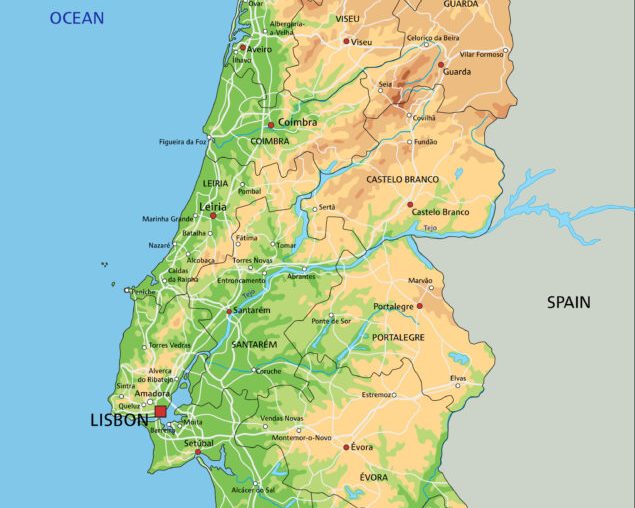
The next location in Around the World in 50 Experiments is Portugal. Portugal is located in Southwestern Europe and has a long, beautiful Atlantic coastline, captivating history and diverse landscapes. The volcanic Azores and Madeira islands also belong to Portugal. The Serra da Estrela mountain range dominates the north, while the central region contains forests, … Continue reading “Around the World in 50 Experiments – Portugal”

These simple push and pull puppets are a Halloween version of the animal puppets we made earlier this year. They are great for part of a forces topic and a simple science craft for any time of year. Pushes and pulls are examples of forces. They can make objects move, stop them moving, speed them … Continue reading “Halloween Push and Pull Puppets”

Last December, I decided to build a giant LEGO® Santa at the last minute. We’ve got a LOT of LEGO®, so I thought it’d be a great way to clear some bricks out of storage and have a great Christmas decoration. I massively underestimated the number of bricks needed and ended up buying a lot … Continue reading “Giant LEGO® Santa Claus”

This disappearing spider trick is a simple Halloween science activity and a great refraction demonstration. Children can watch as a drawing of a spider disappears when water is poured into a glass over the image. Disappearing Spider Trick You’ll need Glass cup or jarDrawing of a spider on a sheet of paperWater Instructions Place a … Continue reading “Disappearing Spiders – Halloween Refraction Experiment”

Today, we had a lot of fun making Halloween versions of our basic optical illusion. What do you think of our pumpkin? Just roll the pencil or straw between your hands to see the face appear in the pumpkin. The best thing about this activity is that you can be as creative as you like. Make … Continue reading “Pumpkin Optical Illusion – Simple Halloween Science”

Animal and plant cells have three main differences. They both have a nucleus, cytoplasm and cell membrane, but only plant cells have a cell wall, vacuole and chloroplasts. We used jelly to create an easy plant cell model showing the main features of a plant cell. See our animal cell model post for more about … Continue reading “Easy Plant Cell Model Ideas”

Biology is the study of life and living things, including plants, animals and microorganisms. Biologists refer to living things as organisms. This collection of biology experiments for kids covers some of the most important concepts in biology There are many different branches of biology, including: Ecology – the relationships between organisms Zoology – the study … Continue reading “Easy Biology Experiments for Kids”

The deepest part of the ocean is in the Challenger Deep valley of the Mariana Trench, which is about 10,935 metres deep ( almost 11km )! This is deeper than Mount Everest is tall. The Mariana Trench is in the Western Pacific Ocean. The deepest section is named after the two ships that first explored … Continue reading “How deep is the ocean?”