
 Written by
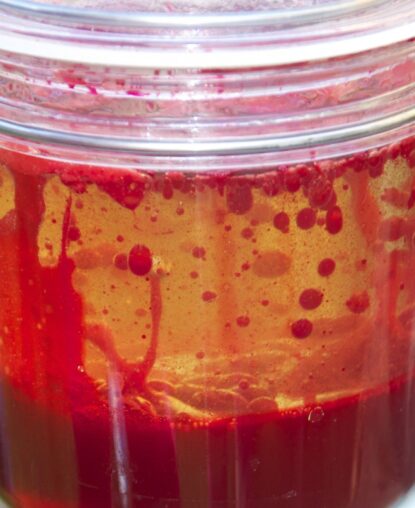
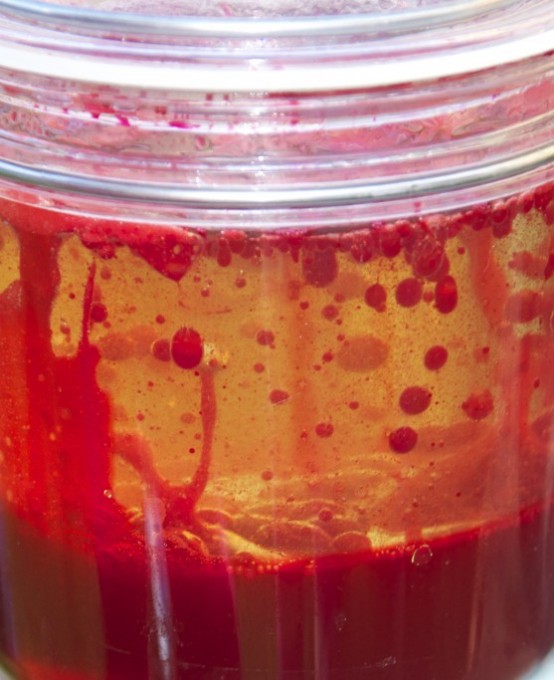
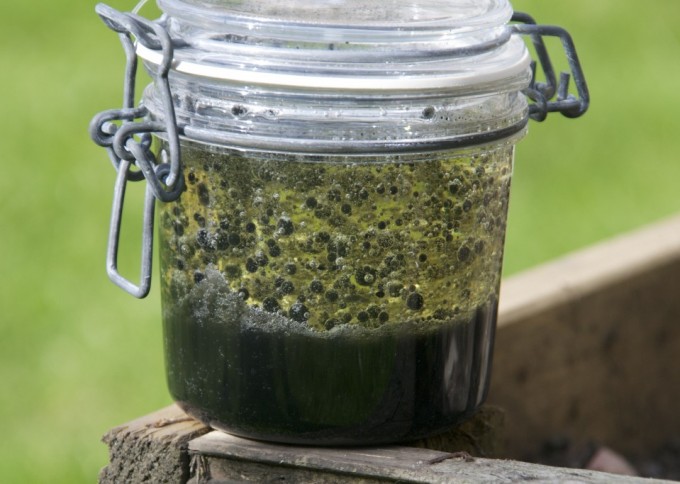
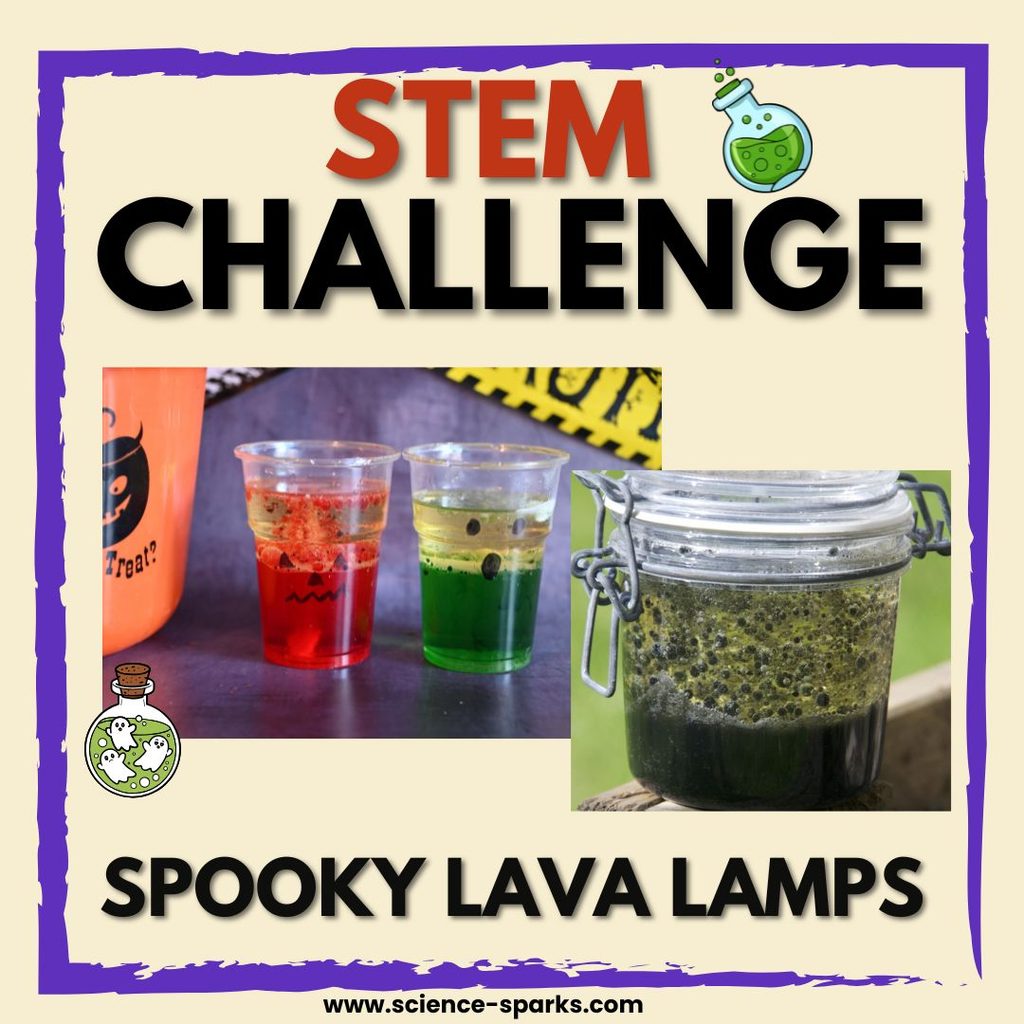
 Are you ready to brew up some bubbly science this Halloween? Our spooky lava lamps are a fun alternative to a traditional pumpkin and a fantastic way for kids to learn about density and chemical reactions! Using just water, oil, food colouring, and an Alka-Seltzer (or effervescent vitamin tablet), you can create a science activity kids will remember for a long time!
I also have a pumpkin lava lamp that’s perfect for a Halloween evening if you place a torch behind it!
Spooky Lava Lamp STEM Challenge
You will need
- A clear plastic bottle, cup or jar
- A bottle of vegetable oil
- Water
- Alka Seltzer
- Food colouring (a spooky colour )
Instructions
Fill the bottle or jar a quarter full with water.
Top up to the (near) top with the vegetable oil.
The oil and water should separate into two layers, water at the bottom and oil sitting on top. Add about 6-8 drops of food colouring once they have separated.
Pop in half an Alka-Seltzer tablet and watch the bubbles form.
Add more Alka-Seltzer bit by bit to keep the bubbles rising and falling.
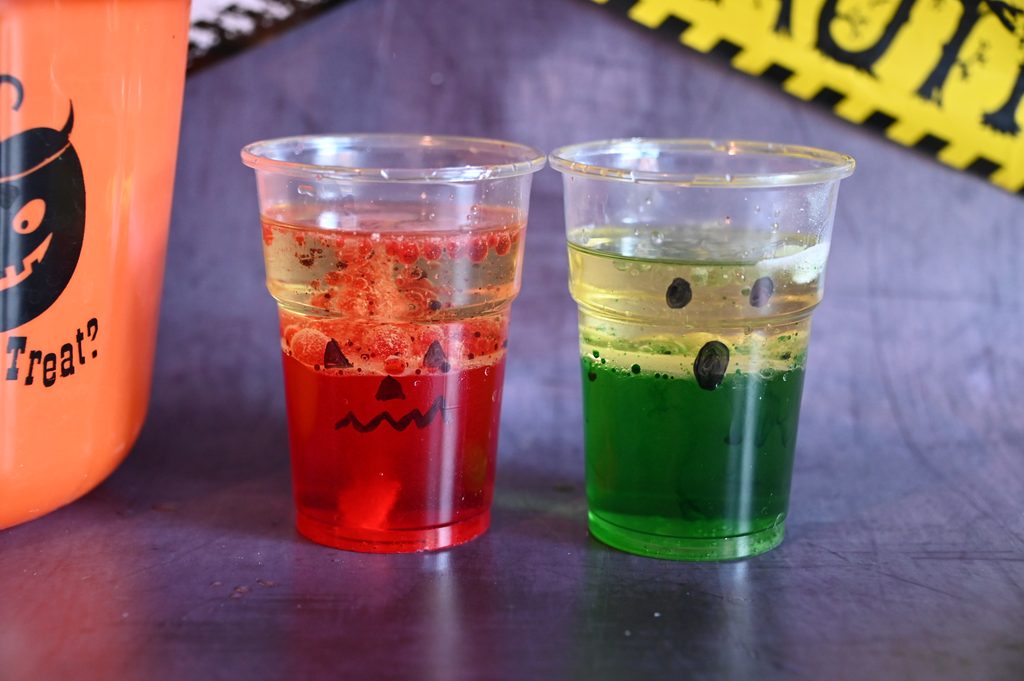
Another idea is to use small plastic cups made to look like pumpkins or ghosts for a mini version.
The Science Behind Spooky Lava Lamps
Why Oil and Water Don’t Mix
Water and oil don’t mix because water is made of polar molecules. A water molecule has a positive electrical charge on one end and a negative charge on the other. Opposite charges attract, so water molecules stick together because the positive end of one water molecule is attracted to the negative end of another.
Oil molecules are different; they are non-polar, meaning their charge is more evenly spaced out. This means oil is not attracted to water. Oil is hydrophobic (water-fearing) and tries to stay as far away from water as it can.
Why Oil Floats on Water
Oil sits on top of the water because it is less dense than water.
Why the Bubbles Move
When you add Alka-Seltzer (made of citric acid and sodium bicarbonate), it reacts with water to form carbon dioxide gas and sodium citrate. As the carbon dioxide bubbles rise, they carry bits of coloured water with them. When the gas escapes at the surface, the coloured water drops sink back down, creating a lava lamp effect.
Last Updated on October 15, 2026 by Emma Vanstone
The post Spooky Lava Lamps – Halloween Science appeared first on Science Experiments for Kids.
Science Experiments for Kids Read More