
 Written by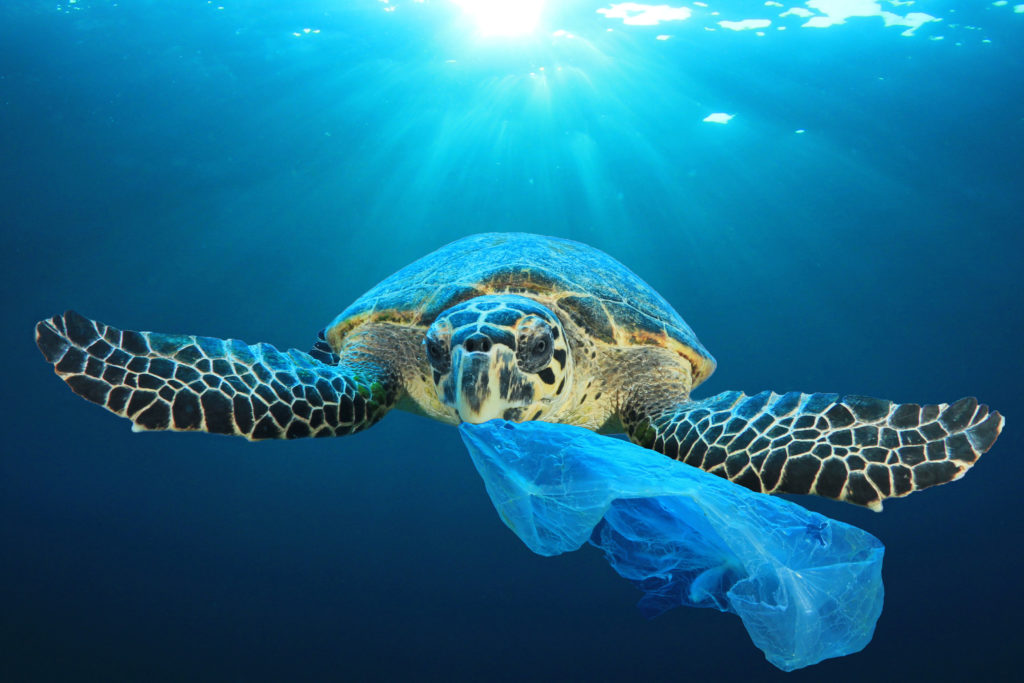
World Ocean Day is celebrated around the world on June 8th to highlight the crucial role oceans play in supporting life on Earth. Did you know that oceans produce around 50% of the Earth’s oxygen and provide a main source of protein for billions of people? The health of our oceans is vitally linked to […]
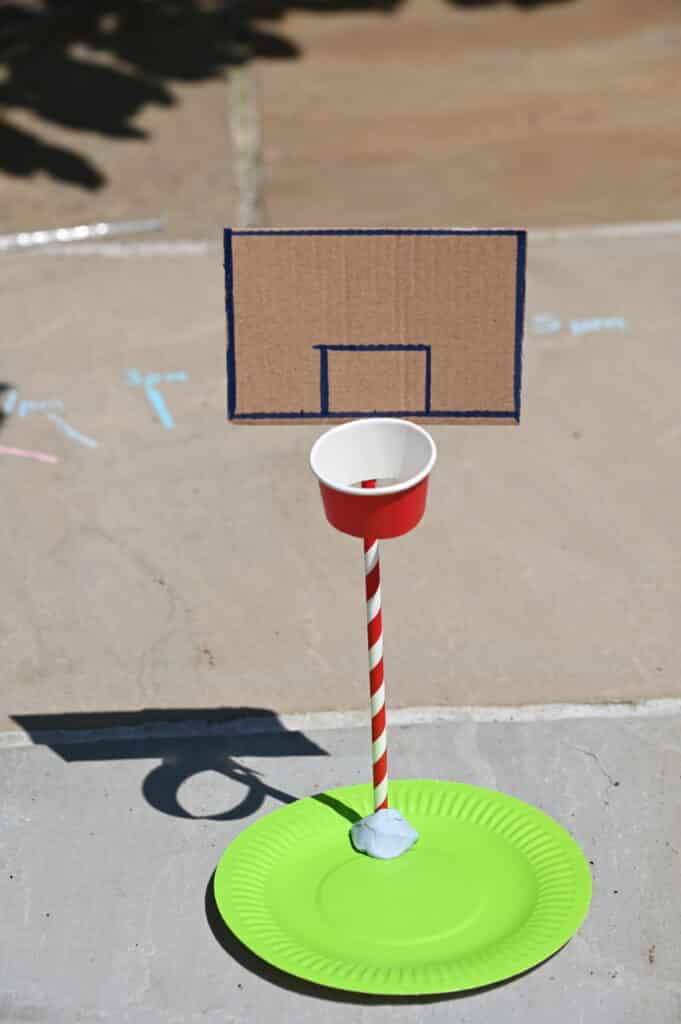
Get ready to shoot some hoops with a fun DIY mini basketball game made from craft sticks, cardboard, and a straw. It’s a fun way to learn about energy while building a simple machine for a purpose. The challenge is to use your engineering skills to design, build and then play with a mini basketball […]
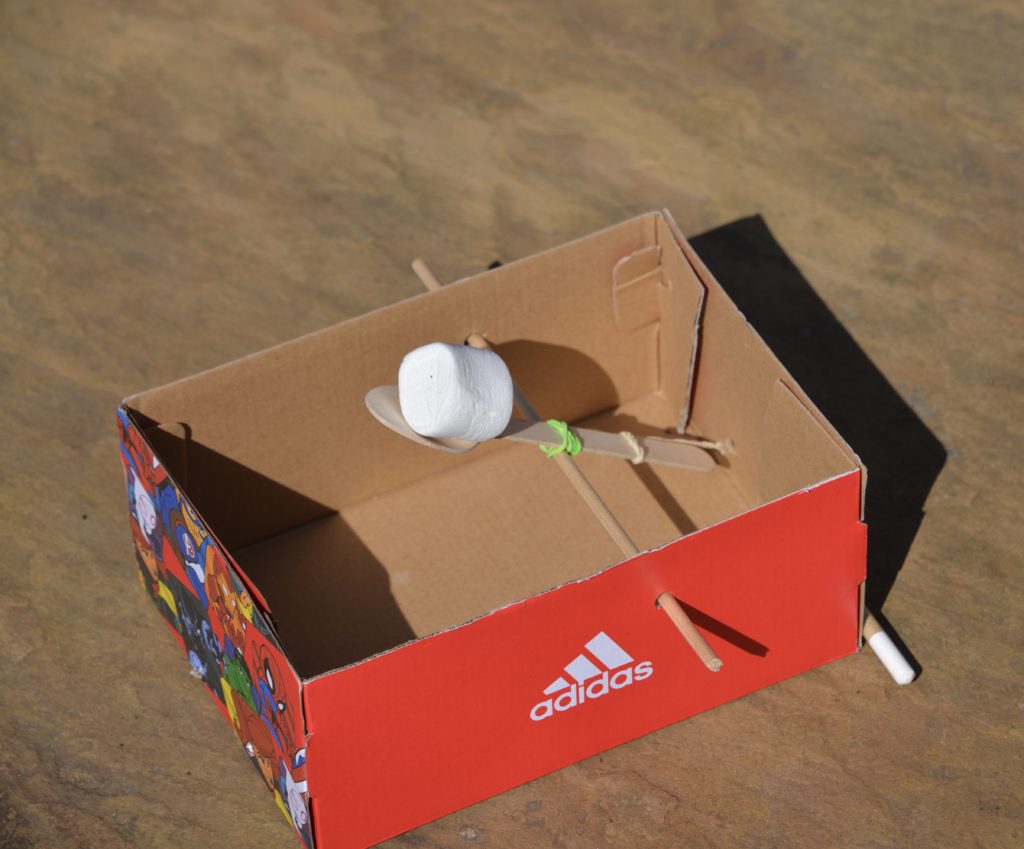
If you’re short on space and resources, my simple science in a shoebox ideas might be helpful. Each activity uses very basic materials, can be stored in a shoebox and uses a shoebox! All you need are some craft materials and a little imagination! Once the activity is finished, you can stack the final product […]

Have you ever looked at the clouds and wondered how they form, impact the weather or why they are different shapes and sizes? I’ve created a basic cloud spotter guide and collected my favourite science activities about clouds into one place. First, we’ll look at how to recognise different types of clouds and then share […]

This fun and creative activity helps children visualise a Butterfly’s Life Cycle by encouraging them to think of edible items to represent each stage of the cycle. This activity would be great for younger children to read alongside The Very Hungry Caterpillar, too! Don’t forget I have lots more kitchen science experiments to try if […]

Ace your GCSE science exams with confidence using these free science resources. Whether you’re looking for interactive explanations, practice questions, past papers, online classes, revision guides or a virtual quiz, these brilliant websites are a fantastic place to start. Every student learns differently, so finding which way works for you is important! The sheer amount […]

Making an air pressure powered drinks dispenser is easier than it looks, and a fantastic hands-on air pressure demonstration. What is air pressure? Air and its particles are crashing into us all the time. What we call air pressure is the force of these particles hitting a surface. When you suck a straw you reduce […]

A family ski holiday is a great time to try some snowy science experiments, especially if you live somewhere where there’s not usually much snow. An alpine ski resort is the perfect location for lots of exciting science. From appreciating the effects of altitude on the human body and the impact of a frozen landscape […]

Have you ever wondered why a bag of crisps ( or potato chips ) expands on an aeroplane? It’s all about air pressure. The crisp packet was sealed at a lower altitude where atmospheric pressure is higher than at higher altitudes. As a plane takes off and altitude increases, the atmospheric pressure outside the bag […]

An oil spill occurs when seawater is contaminated with oil, either by accident or human error. Oil spills can be massively damaging to marine wildlife and humans if the oil gets into the food chain. This hands-on oil spill science experiment is not only great for helping children visualise the effects of an oil spill, but also demonstrates how water […]