
 Written by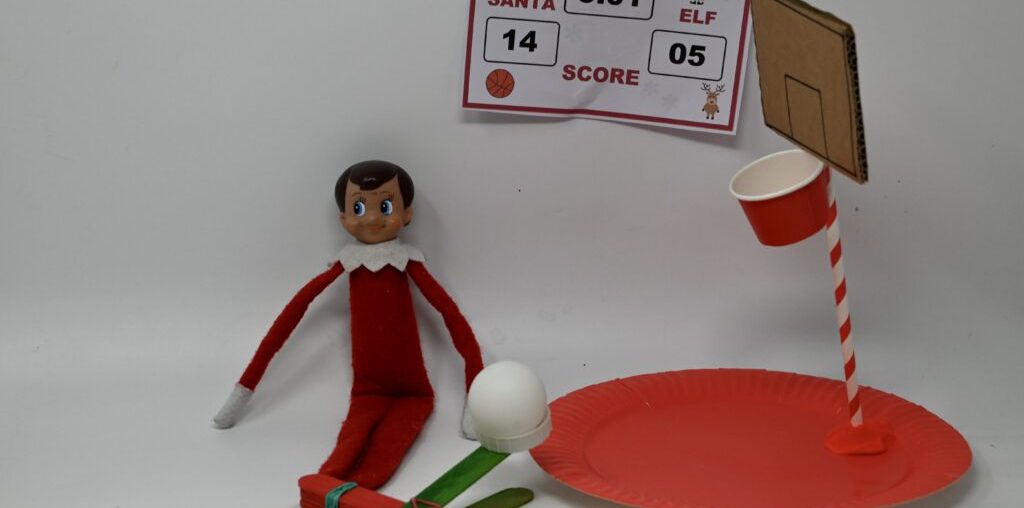
This fun elf-themed basketball STEM challenge is a great hands-on science activity for learning about transfer of energy. The idea is to build a lolly stick catapult and a basketball net for an elf! You could set this up as a ready made activity and encourage children to experiment using different projectiles on the catapult. … Continue reading “Elf Basketball STEM Challenge”
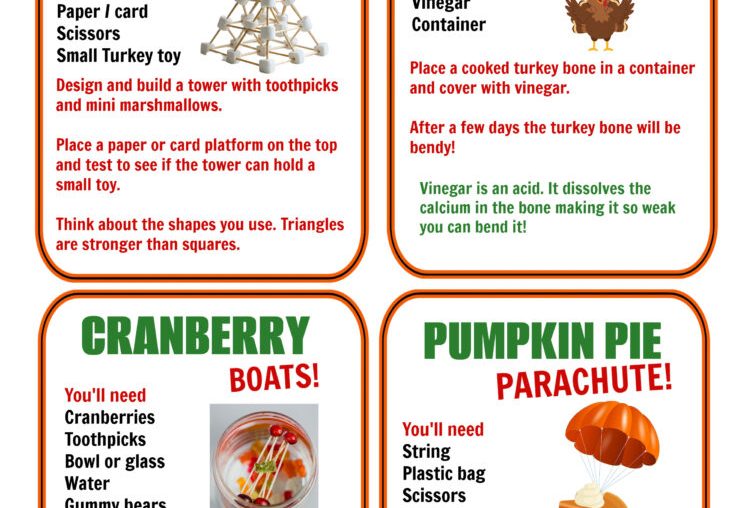
Keep the kids busy over Thanksgiving with these easy STEM Challenges. Turkey Tower Use toothpicks and marshmallows to build a tower tall enough to hold a small turkey toy. If you don’t have toothpicks, spaghetti is a fun alternative. Shapes are important to think about when building toothpick towers. Triangles, arches and domes are all … Continue reading “Easy Thanksgiving STEM Challenges”
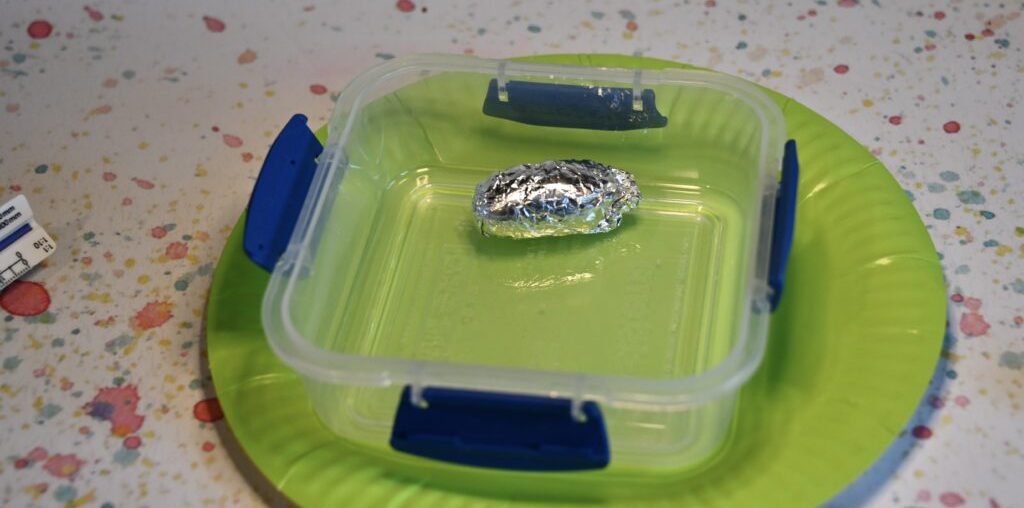
Have you ever seen a jumping bean toy? They bounce, flip and jump as if they’re magic, but the real magic is that you can make your own jumping bean with just a marble and kitchen foil! You might be wondering, “How can foil and a marble flip and jump?”. The answer is physics! When … Continue reading “The Best Bouncy Jumping Bean”
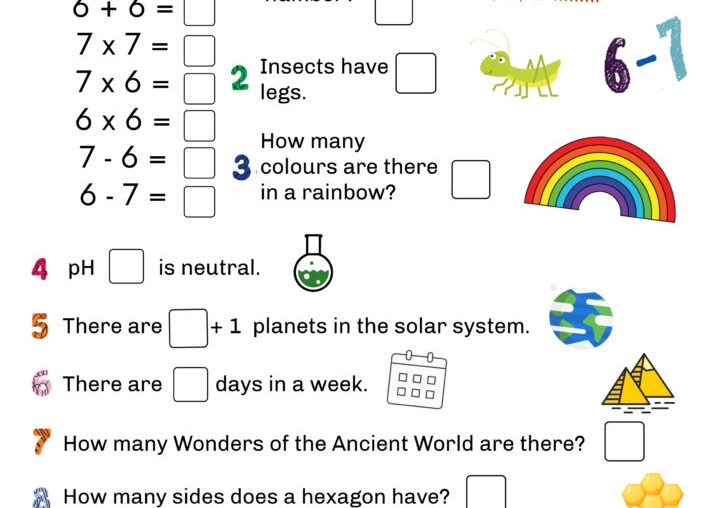
If you’ve spent any time with kids recently, you’ve probably heard the slang term “six – seven“. It seems to have no meaning, just a general playful, in with the joke type phrase. Six – Seven is often accompanied by a palm up, hands moving up and down action. The slang term 6-7 is fairly … Continue reading “SIX, SEVEN – Fun Facts”
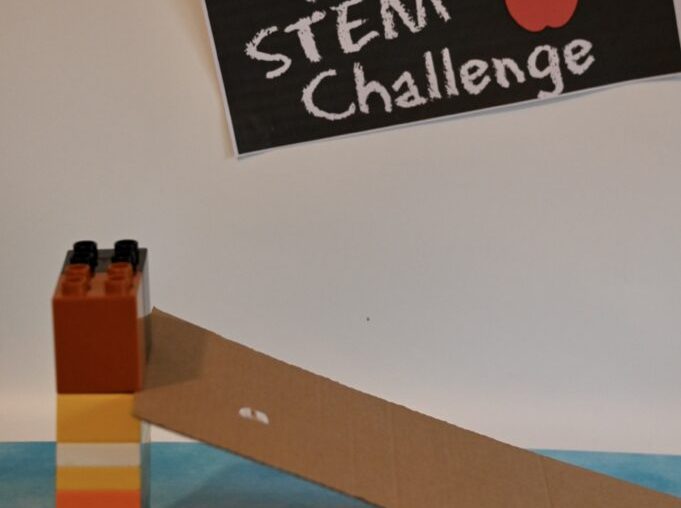
This simple apple ramp STEM challenge is a brilliant, hands-on way to learn about the effect of gradient on speed and friction. We’ve made a friction ramp to test toy cars before, and this apple version is a fun twist for an autumn themed STEM activity. The ramp is covered with bubble wrap to increase … Continue reading “Apple Ramp STEM Challenge”

Have you ever wondered how fireworks fly? The science behind the flight of a firework is the same as that of a rocket, and a fantastic demonstration of Newton’s Third Law of Motion. For every action there is an equal and opposite reaction. Just like a rocket, a firework needs a force to overcome gravity. … Continue reading “How do fireworks fly?”

This spooky science trick uses a magnet and a paper clip to make paper ghosts seem to fly through the air. It’s a fantastic way to learn about magnets and gravity with a fun Halloween twist! You can either draw your own bats, ghosts and other Halloween images or use my FREE handy template! Flying … Continue reading “Flying Bats and Ghosts”

I’m excited to share a fantastic guest post from the online learning platform Brighterly today. Brighterly has hundreds of expert tutors and is great for helping kids aged 6 to 15 improve their maths and reading skills in a fun, hands-on way. For many kids, math can feel complicated and overwhelming, all numbers and zero … Continue reading “How STEM Challenges Make Math Fun and Engaging at Home”

These flying cups are a great STEM challenge for any time of year. One cup acts as an elastic band launcher, and the other is launched into the air! It’s a fun way to learn about forces, motion, elasticity and gravity! When the cup to be launched pushes down on the elastic bands, they become … Continue reading “Flying Bat Cups STEM Challenge”

A baking soda and vinegar volcano eruption or a fizzy potion are classic childhood science experiments and a great way to introduce the concept of chemical reactions. Washing-up liquid ( dish soap ) is often used to make the foam thicker and longer-lasting, but we recently discovered that egg white is a good alternative! This … Continue reading “Fizzy Foam Investigation”