
 Written by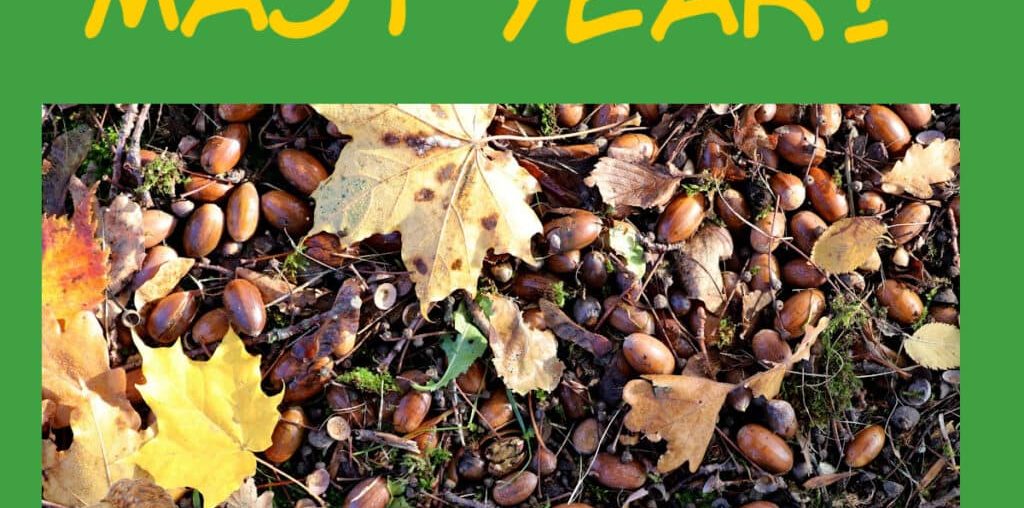
Have you noticed more acorns than usual this year? It feels like everywhere we go, there are paths filled with acorns and leaves. A mast year occurs when trees and shrubs produce more seeds than usual. The collective term for fruits, nuts and seeds produced by trees is called mast, hence the term mast year. … Continue reading “What is a Mast Year”
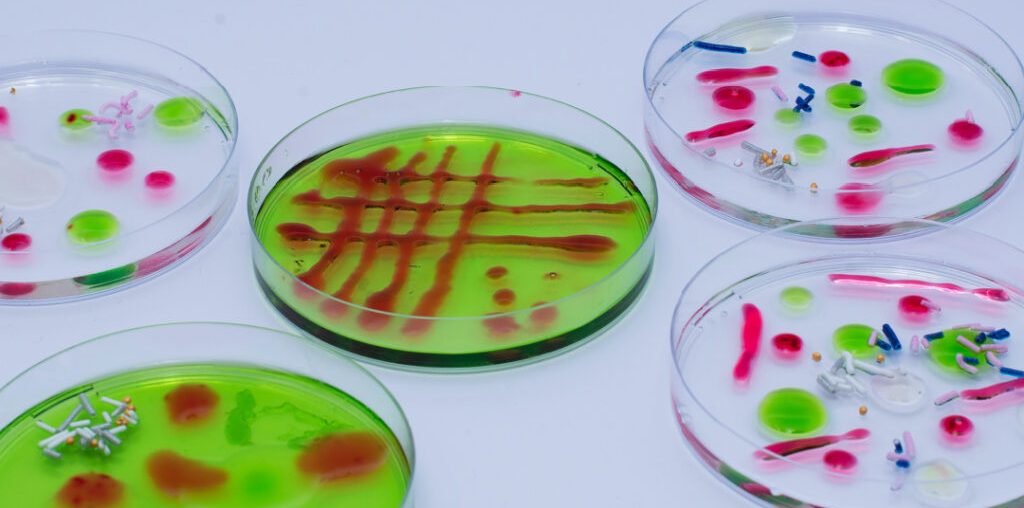
These jelly/jello petri dish bacteria snacks are a fun Halloween party treat or just an unusual way to learn about bacteria! A petri dish is a shallow, round dish with a loose-fitting lid used to grow bacteria in a laboratory. Microbiologists use them for experiments and investigations. In a laboratory setting, a layer of agar … Continue reading “Jelly Petri Dish Bacteria”
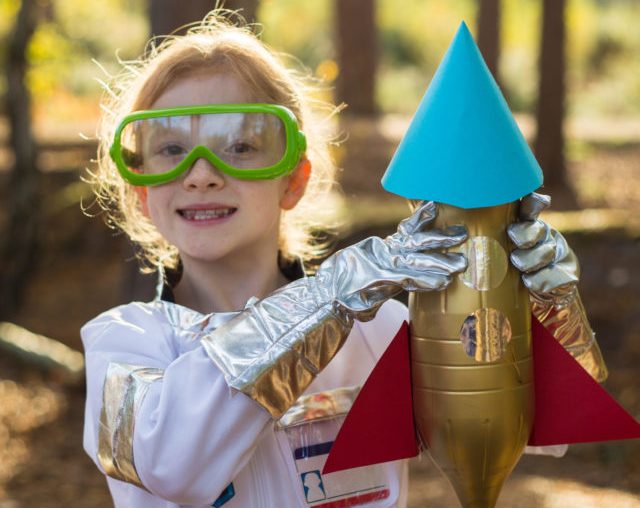
A few years ago, I helped a local school create a space science day. We had a whole afternoon of Tim Peake and International Space Station themed activities. The idea was to take the children on a journey starting with whole class film canister rockets, followed by a docking with the ISS game, and then an … Continue reading “Activity Ideas for World Space Week”
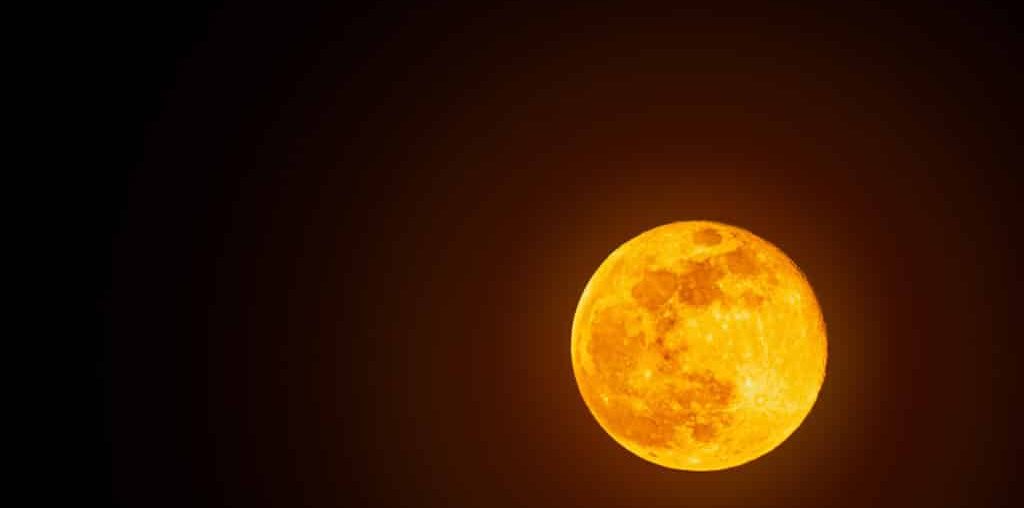
A Harvest Moon is what we call the full moon that occurs close to the first day of autumn ( the autumn equinox ). In 2025, people will be able to see a Harvest Moon on the evening of October 6th. This moon will also be a supermoon, meaning it will be extra bright and … Continue reading “What is a Harvest Moon?”
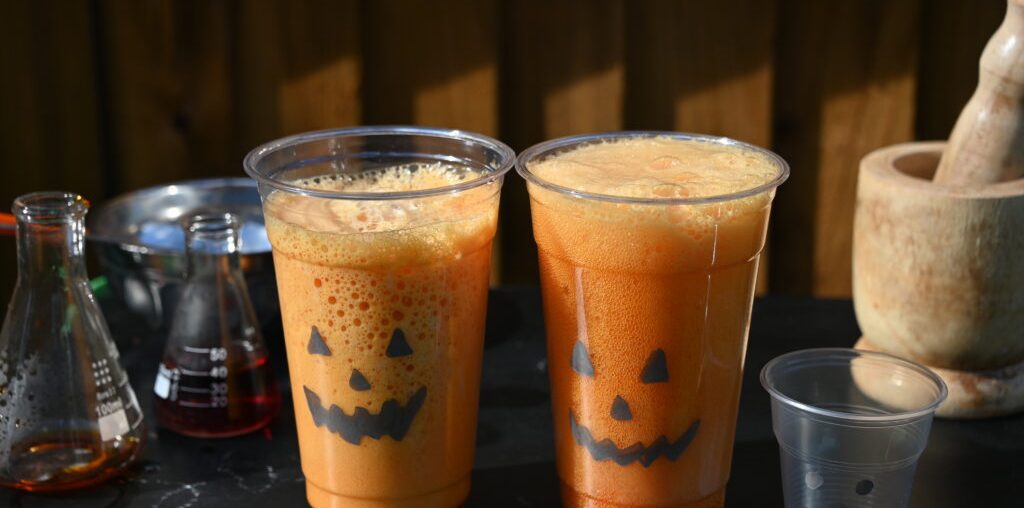
Our fizzy pumpkin cups are a simple fizzy science activity for Halloween. We drew a pumpkin face on a plastic cup and set up a baking soda and vinegar reaction in the cup. The orange foam fizzes up to show the pumpkin face. If you can keep the fizz inside the cup, this is an … Continue reading “Fizzy Pumpkin Cups”

Have you ever wondered why you can see your breath on a cold day? It’s because of condensation. The air you breathe out is warm (close to body temperature) and very moist. When you breathe the warm air out, it immediately cools when it meets the cold air outside and reaches its dew point ( … Continue reading “Why can I see my breath on a cold day?”
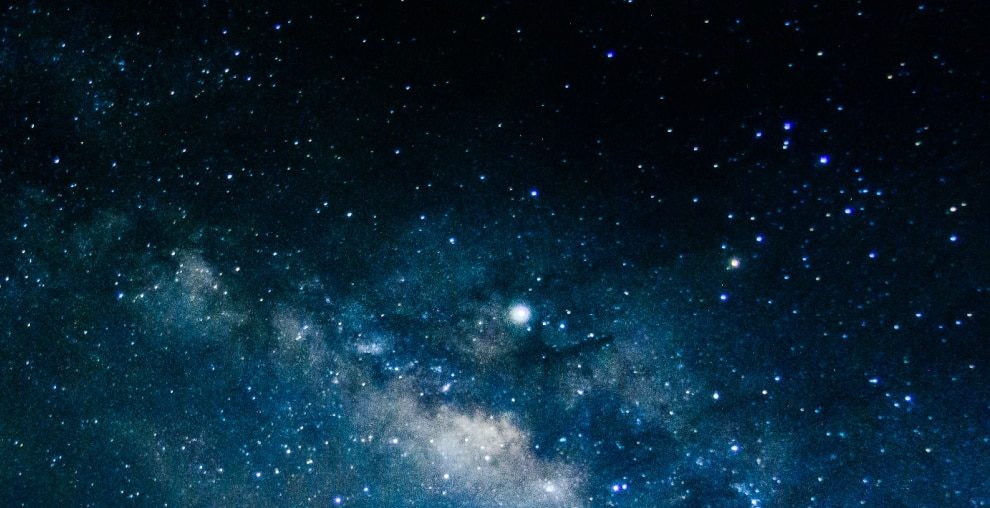
The Universe is gigantic, bigger than you can probably imagine. If you were to stand in the middle of the Universe, the outer edge (if there is one) would be a huge 440,000,000,000,000,000,000,000 km away, and that’s just the observable Universe. We don’t really know how big it actually is or if it’s infinite. Did … Continue reading “How Big is the Universe?”
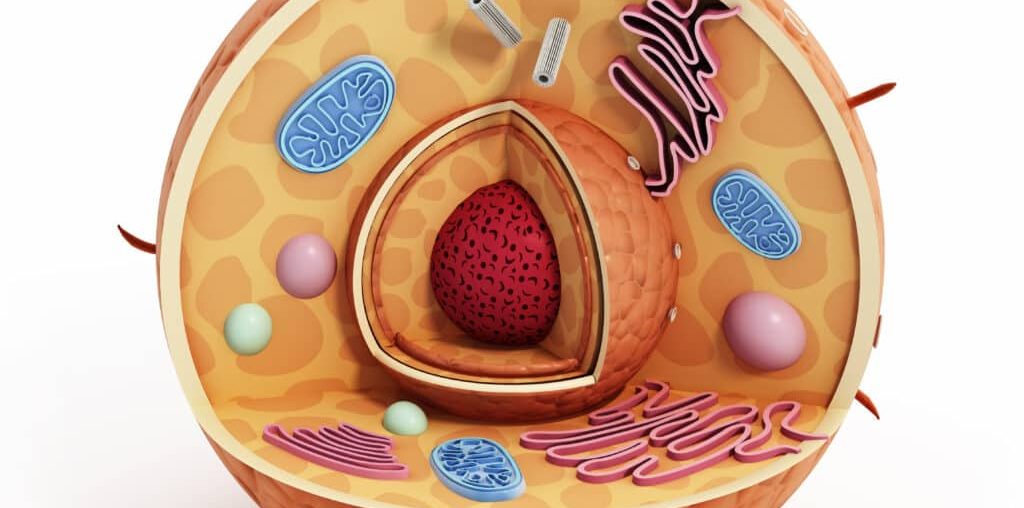
Cells are the fundamental units of life where most of the essential chemistry and functions that keep us alive happen. Cells are the building blocks of every organism and make up most of the structures within the body. Facts about cells All living things are made of cells. Cells can be prokaryotic or eukaryotic. Every … Continue reading “What is a cell?”
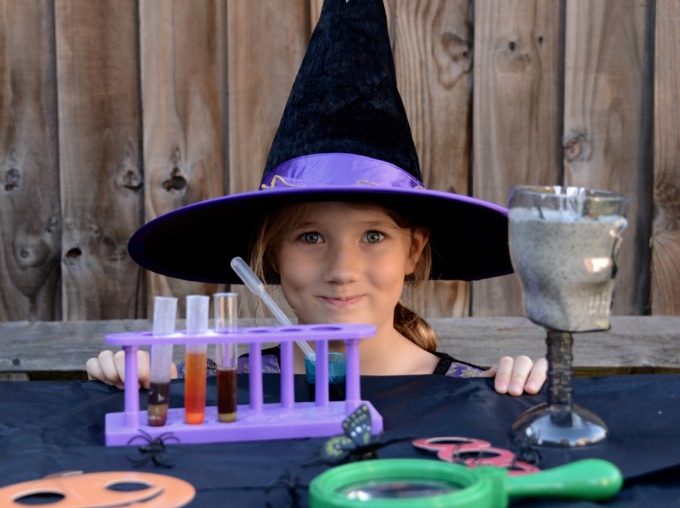
It’s officially potion season! With Halloween around the corner, now is the perfect time to brew up spooky witches’ potions. Potions are a much loved activity in our house at any time of year, especially at Halloween! Take a look through this collection of fizzing, slimy, colour-changing, and even dry ice potions and let us … Continue reading “10 of the Best Witches’ Potions”
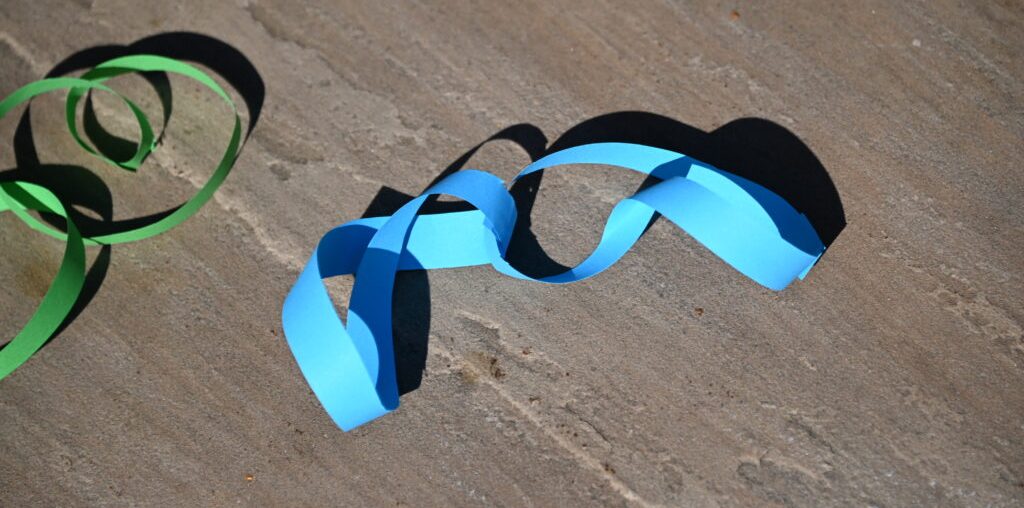
A Möbius strip is a loop with one side and one edge. It’s made by twisting a strip of paper 180 degrees and taping the ends together. There’s no obvious difference between inside and outside. If you draw a line around the centre of the paper, it’ll cross over to the other side, and you’ll … Continue reading “The Impossible Loop – Make a Double Möbius Strip”