
 Written by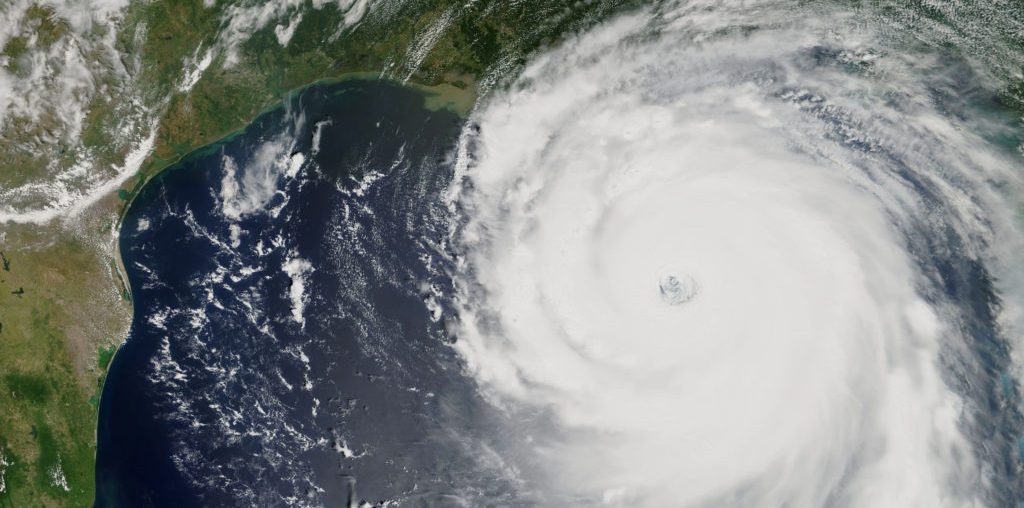
Have you ever wondered why and how storms are named? It may feel like a random process, but storm names follow a strict international system. Naming storms has been found to increase awareness and encourage people to prepare if needed. It’s also easier for news reporters to use a single name rather than a longer, … Continue reading “How are storms named?”
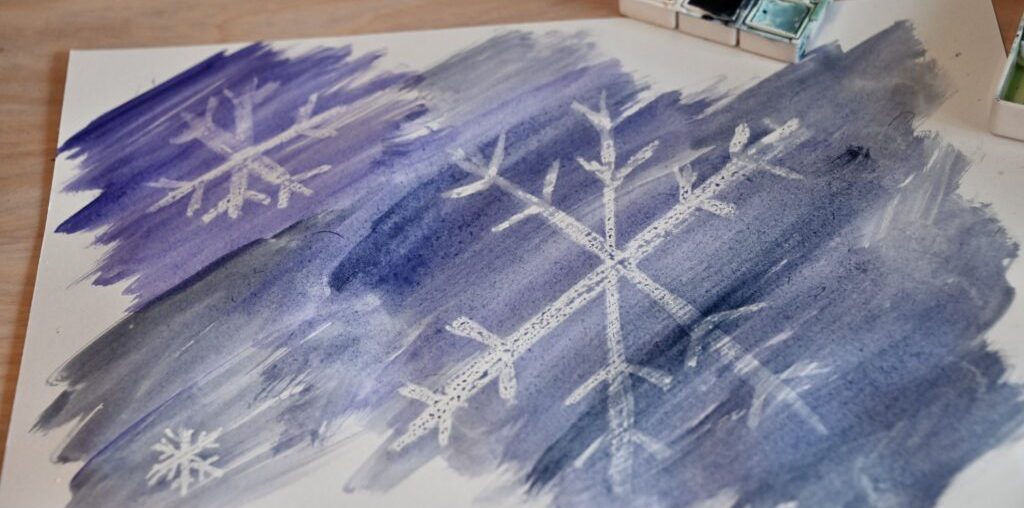
It’s freezing cold outside today, so we’ve been trying some indoor winter science activities. These crayon resist snowflake pictures have been a big hit, and they are very easy to create. Crayon Resist Snowflake Art You’ll need White paper Paint Brush Water White wax crayon Watercolour paints Instructions Draw a snowflake on the paper using … Continue reading “Crayon Resist Snowflake Pictures”

Did you know that no two snowflakes are the same? Snowflakes all take slightly different paths to the ground as they form, which is why each is unique. How do snowflakes form? Snowflakes start with a tiny speck of pollen or dust floating in a cloud that acts as a seed. When a very cold … Continue reading “How Do Snowflakes Form?”
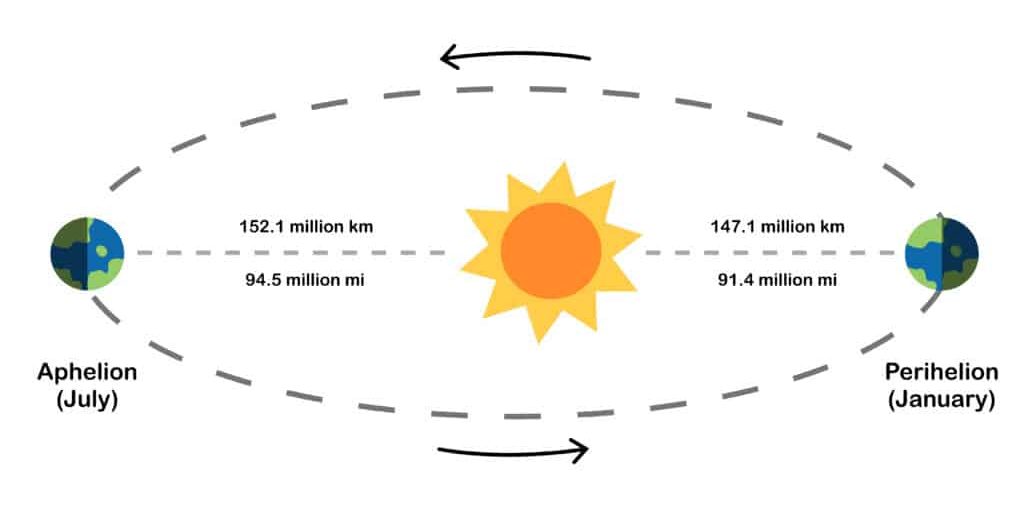
Did you know that the Earth is about 3 million miles closer to the sun in winter than in summer? This year (2026), Earth is closest to the Sun on Saturday, 3rd January. This specific point in the Earth’s orbit is called perihelion. The point in Earth’s orbit at which the Sun is farthest from … Continue reading “When is the Earth closest to the sun?”

Here at Science Sparks, we love a good catapult. They are easy to make and great for teaching basic engineering principles and learning about energy and forces, including elasticity, elastic energy, potential energy and kinetic energy. This simple cranberry catapult includes a free downloadable target to use as an optional extra. Cranberry Catapult STEM Challenge You’ll need Lolly sticks or … Continue reading “Cranberry Catapult STEM Challenge”

These light up paper circuit cards were much easier to make than I expected and only need a few inexpensive materials. They’re a great way to learn about circuits and electricity. You can make a simple, basic circuit or a more complicated series or parallel circuit. I’ve created a free template to make the activity … Continue reading “How to Make Light-Up DIY Christmas Cards with Paper Circuits”
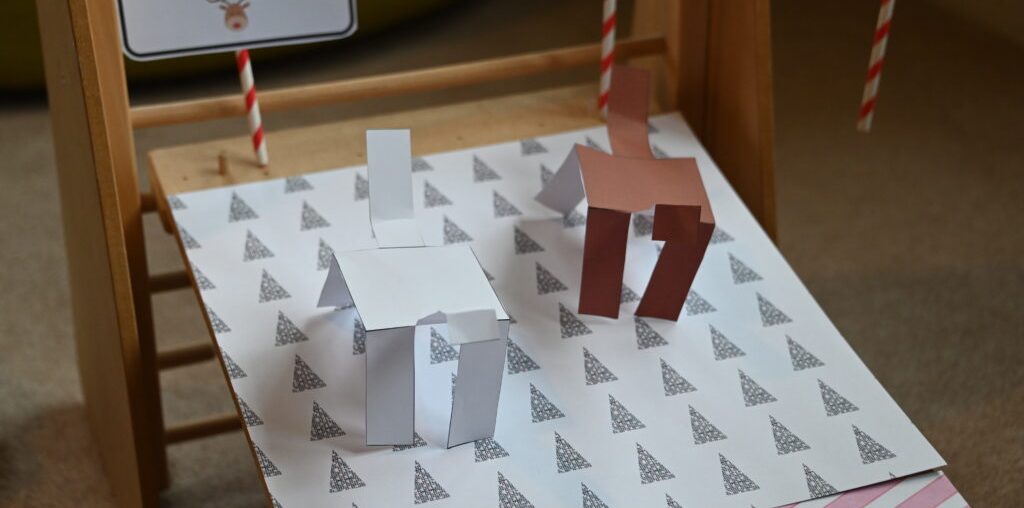
These walking reindeer made us laugh so much. They work brilliantly, but can be a little fiddly to get going. This activity is traditionally called the walking horse, but as it’s nearly Christmas, we’ve made reindeer! The reindeer *walk* down a ramp or slope, because of a combination of forces including gravity and friction. You’ll … Continue reading “Walking Reindeer Challenge”
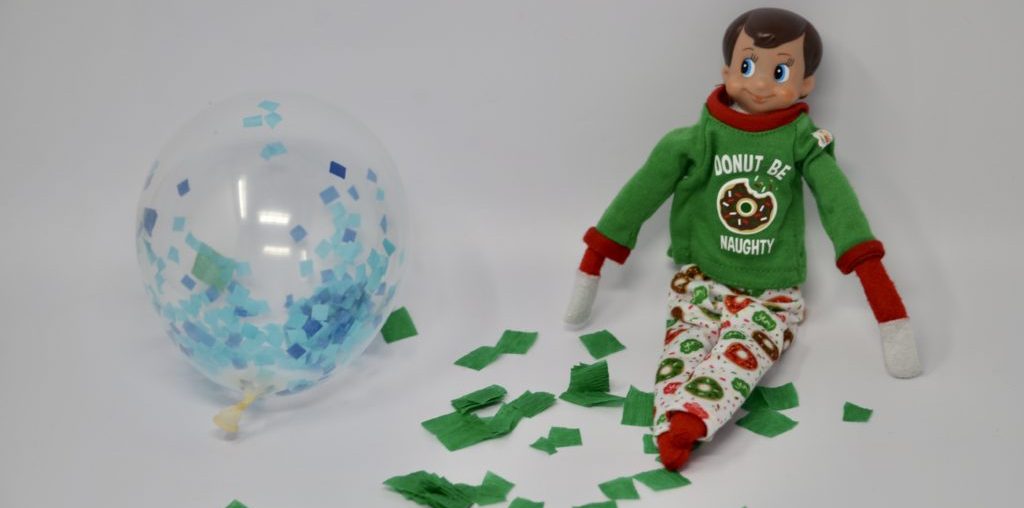
If your elf needs a bit of inspiration, these cheeky elf tricks might be just the thing. All you need to do is set up the trick and leave an instruction card out for children to solve the puzzle! The challenge cards are free to save and print! Easy Cheeky Elf Tricks Spin eggs to … Continue reading “Cheeky Elf Tricks – STEM Challenges”
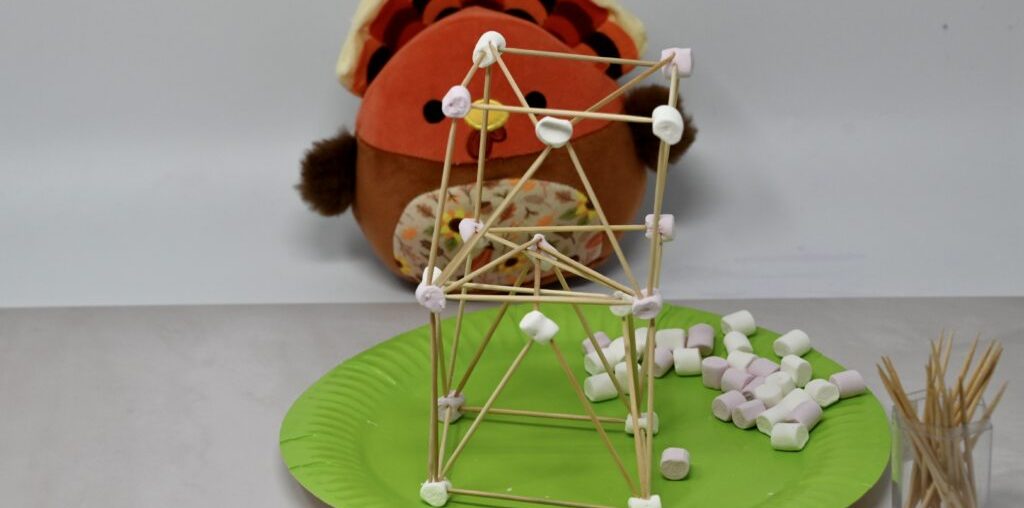
It’s finally December, the elves are up to their usual mischief, presents are being wrapped, and people are looking forward to plenty of festive fun with family and friends. My Turkey STEM Challenges are great for encouraging hands-on learning before or during the Christmas festivities. Turkey STEM Challenges Learn about strong shapes and stable structures … Continue reading “Easy Turkey STEM Challenges”
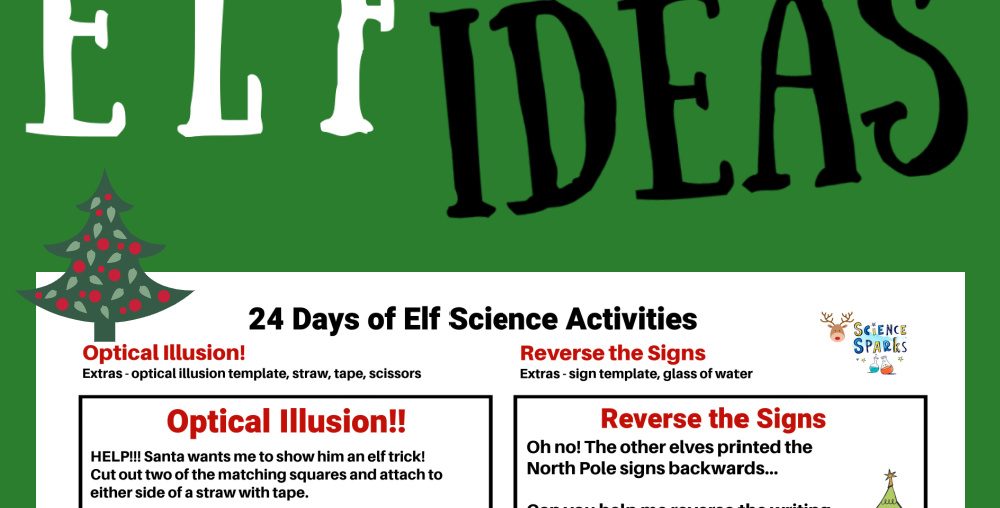
We’ve all been there, the last-minute elf panic, wondering what simple but exciting mischief the Elf on the Shelf can get up to. This year, Science Sparks makes elf antics easy with 24 easy science-based elf ideas and a sprinkle of festive fun to delight elves and children alike. There’s an elf activity card for each day with … Continue reading “Easy Last Minute Christmas Elf Ideas”