
 Written by
Magnets are always fun when used in science experiments and demonstrations. They are fairly inexpensive to buy and can be used in lots of creative ways. We still play with our magnet cars years after making them! This simple dancing magnet activity uses a basic frame to hold a magnet in place while other magnets … Continue reading “Dancing Magnet Demonstration”

One of my aims with Science Sparks is to make science as accessible as possible to kids and parents of all ages. I try to keep all the experiments as simple as I can, but the list of materials can often mount up and be a little overwhelming. With that in mind, I’ve compiled a … Continue reading “Easy two ingredient science experiments for kids”

Enzymes are biological catalysts. In simple terms, they speed up chemical reactions. Living organisms have chemical reactions happening in them all the time. One way enzymes are used is to break down large molecules. For example, enzymes called carbohydrases convert carbohydrates into simple sugars. This type of reaction needs to be carefully controlled. Reactions outside … Continue reading “What are enzymes?”
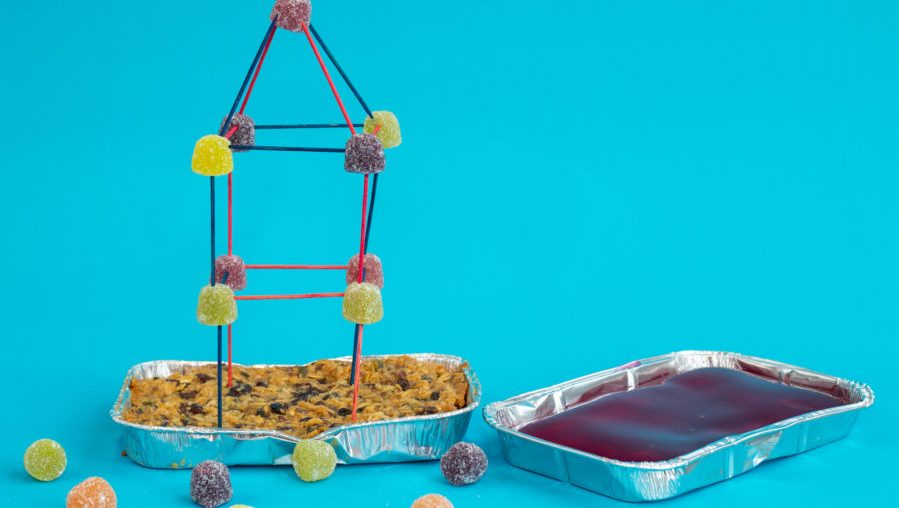
Lots of people have been asking me for school science club ideas recently, so I’ve put together a collection of science experiments and activities that I think would work really well for Primary/Elementary school age children at a science club! If you’re a teacher, parent or home educator looking for easy, inexpensive, inspiring and exciting school … Continue reading “Easy School Science Club Ideas”

Have you ever wanted to create your very own animation? One way to do this is with a simple flipbook. An animation flip book is a series of pictures arranged in a flip book that change slightly from one page to the next. When you flip through the book, the images appear to move, creating … Continue reading “Create You Own Flipbook – FREE Animation Template”

My science experiment fortune teller is a fun way to make science fun at home. Fold the fortune teller, play with a friend and then start experimenting. The activities are designed to be easy to carry out using only inexpensive materials. Each can also be extended if needed, so it’s not just a quick five … Continue reading “Science Experiment Fortune Teller”

Red cabbage indicator is often used as an introduction to pH and indicators, but did you know you can make an indicator from blackberries? Blackberries contain anthocyanins, which are pigments that change colour depending on pH. Anthocyanins are a natural indicator. An indicator is a substance that changes colour when added to solutions of a … Continue reading “How to make a pH indicator with blackberries”

Our fun Pokemon catapult is a great way for children to learn about the effect of angle and force on how a projectile flies through the air. They are super easy and quick to make with lots of opportunities for further investigation. Once you’ve made the catapults, scroll down for more easy Pokemon STEM Challenge ideas. How … Continue reading “Pokemon Catapult STEM Challenge”

Slows are famous for being SLOW. They move slowly and sleep a LOT! This general lethargy is reflected in their digestive habits. It takes you just a few hours to digest a meal, but it can take sloths up to a month, and they only poo once a week! Sloths spend most of their lives … Continue reading “How Often Do Sloths Poo?”

Our Summer holidays are about to start, so I thought it would be a good time to spruce up this post full of Summer Science Challenges for kids. All the activities are very simple and use mostly things you probably already have around the house. For an ultimate summer of science, try one activity each … Continue reading “Summer Science Challenges for Kids”