
 Written by
Do you know you can change the colour of white flowers by placing them in a pot of food colouring and water? This easy colour-changing flower science experiment is great for learning about transpiration and transport in plants. Easy Transpiration Experiment How to make colour-changing flowers You’ll need White flowers Food colouring – we’ve found … Continue reading “Transpiration Experiment – Colour Changing Flowers”

Find out how to dissect flowers and learn about their structure with this simple hands-on dissection activity and other exciting plant experiments for kids. Dissecting a flower is a great way to visually show the different parts of a flower, which can be hard to picture from a diagram in a book. What you need … Continue reading “Dissect a Flower STEM Challenge”

Candle carousels date back to the 1800s and originated in Germany. They are thought to have been inspired by windmills. Early versions were very simple, but over time, they became more elaborate with multiple tiers. Today, candle carousels are found around the world as decorations. The basic structure of a candle carousel is a central … Continue reading “Create a Candle Carousel”

This paper aeroplane launcher is very easy to build and a great simple alternative to a more complex aeroplane launcher. Paper aeroplanes are one of those activities almost everyone has tried at least once and are usually thrown by hand. How well the plane flies depends on the design of the paper aeroplane and the … Continue reading “Easy Paper Aeroplane Launcher STEM Challenge”

What is Earth Day? Earth Day is an annual event dedicated to raising awareness of climate change, deforestation and other environmental challenges facing the Earth. It has taken place on the 22nd of April each year since 1970! As the threat of climate change deepens, we need to take action now more than ever. Together, … Continue reading “Easy Activity Ideas for Earth Day”

Here at Science Sparks HQ, we love a bit of magic, whether it be a memory trick, slight of hand or even some science magic. These 10 easy science tricks for kids are great fun and mostly super simple. The density one is a little tricky and potentially messy, but well worth the effort for the … Continue reading “Science Magic Tricks for Kids”
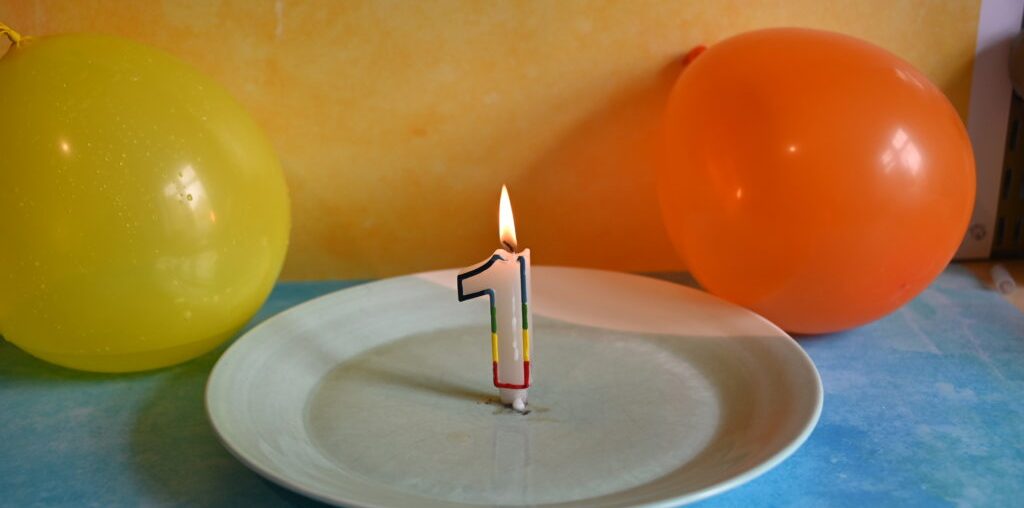
In this science activity, you can put a balloon into a candle flame without it popping! How is that possible? It’s all about heat transfer. A balloon filled with air will pop when it gets too close to a flame as the heat from the candle warms the balloon’s skin and weakens it. The trick … Continue reading “The Unpoppable Balloon Science Experiment”

The Moon doesn’t make its own light. We see it because light from the Sun reflects off the lunar surface, but why does the Moon look white? If you could actually stand on the Moon, it would look mostly grey with areas of brown and yellow, depending on the minerals present. The Moon appears white … Continue reading “Why does the Moon look white?”

Rockets are a great STEM challenge in any form, as the end result is usually impressive, and success is easy to measure. This simple air rocket launcher is inexpensive and very easy to create. It’s a great STEM challenge or science activity for home or school. Easy air rocket launcher You’ll need One empty two … Continue reading “Easy Air Rocket Launcher STEM Challenge”

This simple science project shows you how to make a model of an eclipse to visually demonstrate what’s happening between the Sun, Earth and Moon during a solar or lunar eclipse. A solar eclipse model is a fantastic science project for home and school, especially just before or after an eclipse! You’ve probably noticed shadows … Continue reading “How to Make a Simple Eclipse Model”