
 Written by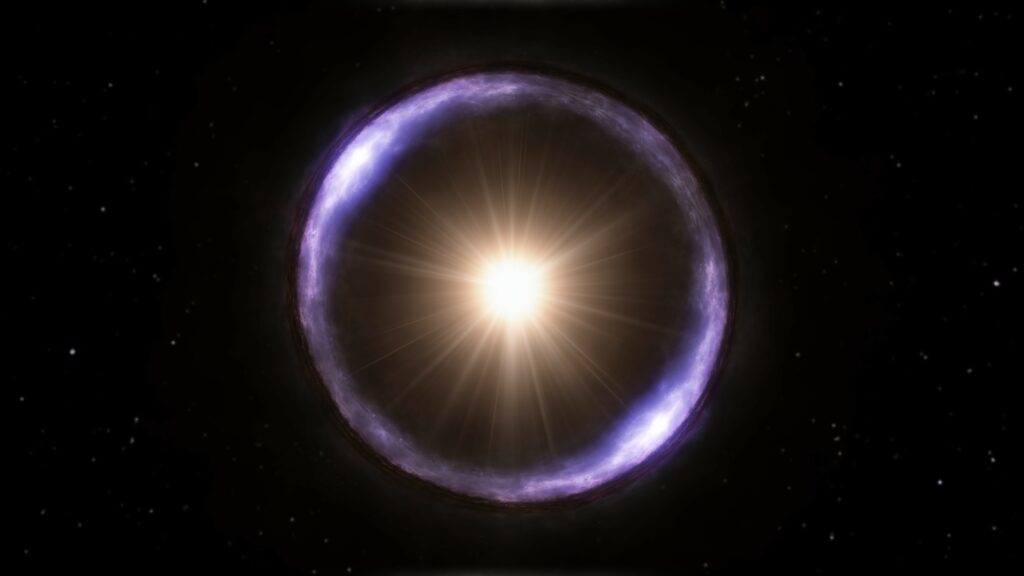
Einstein Rings are a type of gravitational lensing in which the light from a galaxy or star passes a large object, like another galaxy or black hole, and is bent around it. If the alignment is right, the light appears as a ring around the large object. The galaxy or black hole closest to the […]
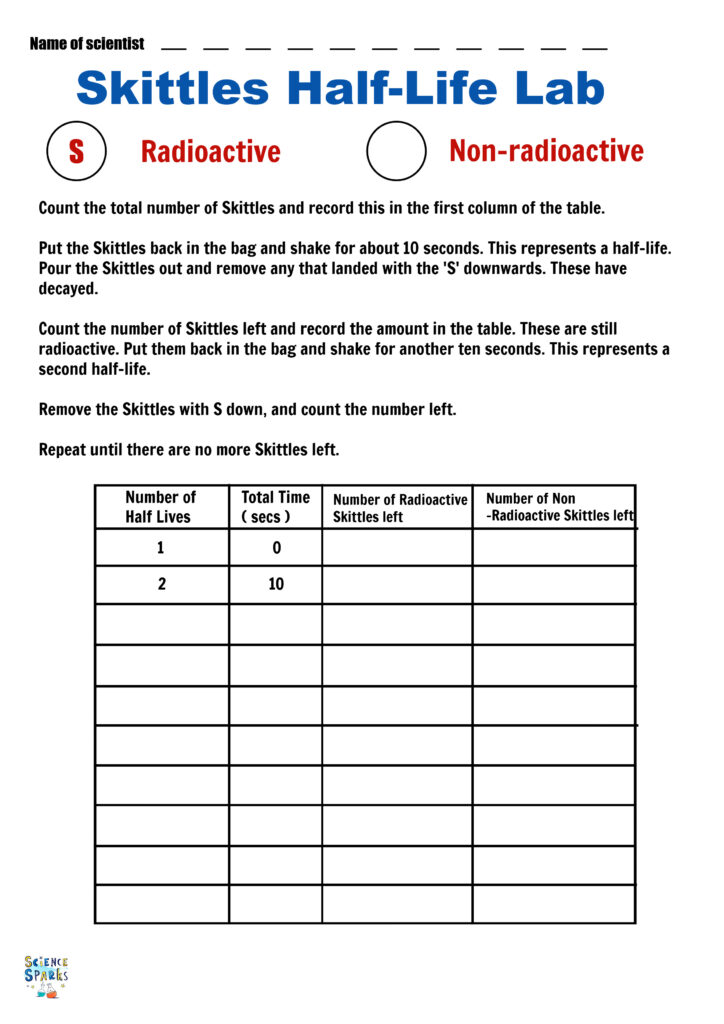
This activity uses Skittles to demonstrate radioactive decay. The rate of decay depends on the isotope of the element and is referred to as the half-life. Radioactive decay is a random process. To understand the concept of a half-life, we’re going to pretend Skittles are radioactive atoms. Skittles that land with the S upwards are […]

The spring equinox marks the astronomical beginning of spring in the Northern Hemisphere. The balance of daylight shifts, marking the start of warmer, longer days. In the Southern Hemisphere, it marks the start of autumn. Equinox means equal night. At the spring equinox, the sun is directly above the equator, and day and night are […]

I can’t believe it’s time for British Science Week again. It seems like two minutes since we planned our space-themed experiments last year. If, like me, time has run away from you and you need some easy ideas for British Science Week, we’ve got some suggestions that might help. Change and Adapt Activities Birds, Beaks and Charles Darwin Learn […]

A singing balloon experiment is a great way to learn how sound works. If you put a small coin inside a balloon and spin it, the coin spins around the balloon, making the balloon vibrate very quickly. Objects that vibrate quickly make a high pitched sound. As the coin slows down, the pitch of the […]

Planting and watching seeds grow is a fantastic spring science activity for children. Kids can start with a bean or seed in a jar to watch it germinate, observe seedlings and finally become a fully grown plant. Vegetable or herb seeds work well, as they can be eaten afterwards! A common problem when growing plants […]

I usually do this viscosity experiment using different liquids such as water, oil, ketchup and treacle. This version is a special syrup filled investigation for pancake day! The idea is that you record how long it takes different delicious pancake syrups to flow down a ramp. Thicker ( more viscous ) liquids will flow more […]
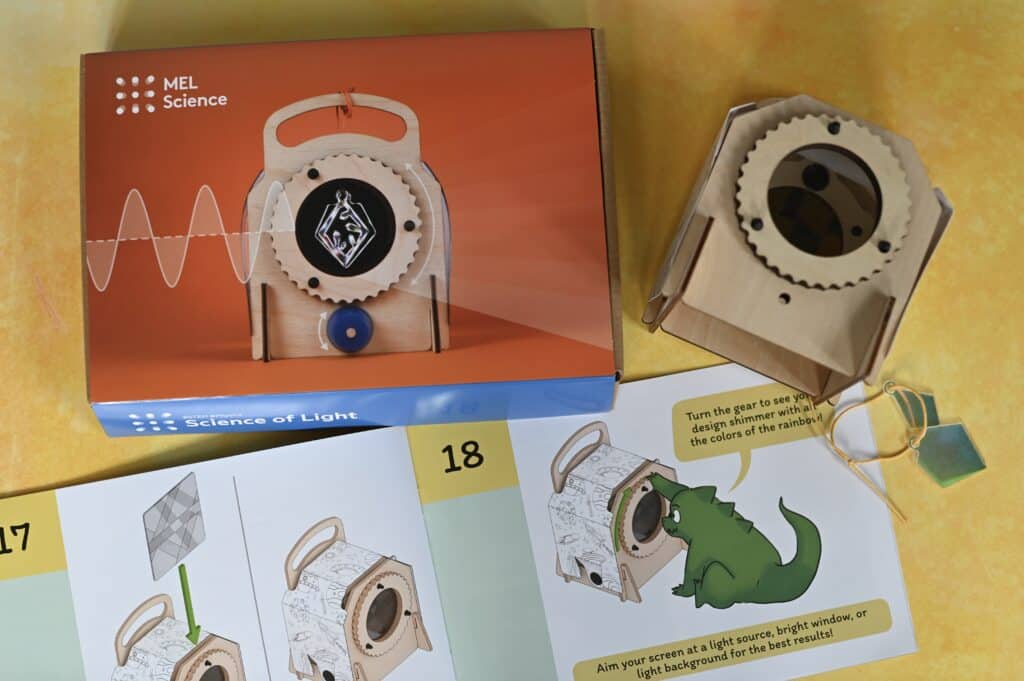
Good science kits can be hard to find, but you’ll never be disappointed with MEL Science. Each kit contains everything you need to carry out a hands-on science activity or experiment safely at home. The instructions are easy to follow and presented in a fun and engaging way and extra videos and associated app are […]
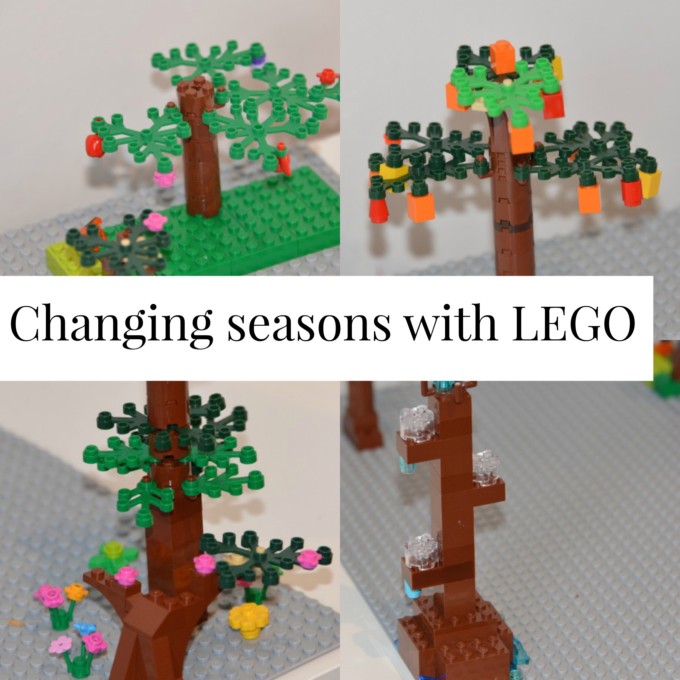
If you read Science Sparks often, you’ll know how much we love LEGO®. The play, learning and creative opportunities are endless, so today we’re sharing 40 of our favourite LEGO® science experiments and STEM challenges. LEGO® is the most amazing, versatile resource that opens the door to endless creative learning opportunities for kids of all ages. […]
If you’re looking for easy activities to keep kids busy on a rainy day, you’re in the right place. Make the most of the weather with my collection of easy science experiments for a rainy day. Children can use the rain as part of a science experiment or be inspired by rain and weather. I […]